🤖Cada vez más personas hablan con chatbots cuando se sienten solas, angustiadas o desbordadas. Y eso abre preguntas impo
Escrito por
🤖Cada vez más personas hablan con chatbots cuando se sienten solas, angustiadas o desbordadas. Y eso abre preguntas importantes: ¿hasta dónde ayuda? ¿y dónde empieza el riesgo?
🧠📊 La evidencia es clara: cuando aparece ideación suicida o una situación grave, una respuesta “bien intencionada” no alcanza. Detectar riesgo, frenar, derivar y sostener no es solo información: es responsabilidad.
⚠️ Empatizar no siempre es decir lo que el otro quiere escuchar.
En salud mental, a veces cuidar implica incomodar, intervenir y pedir ayuda profesional.
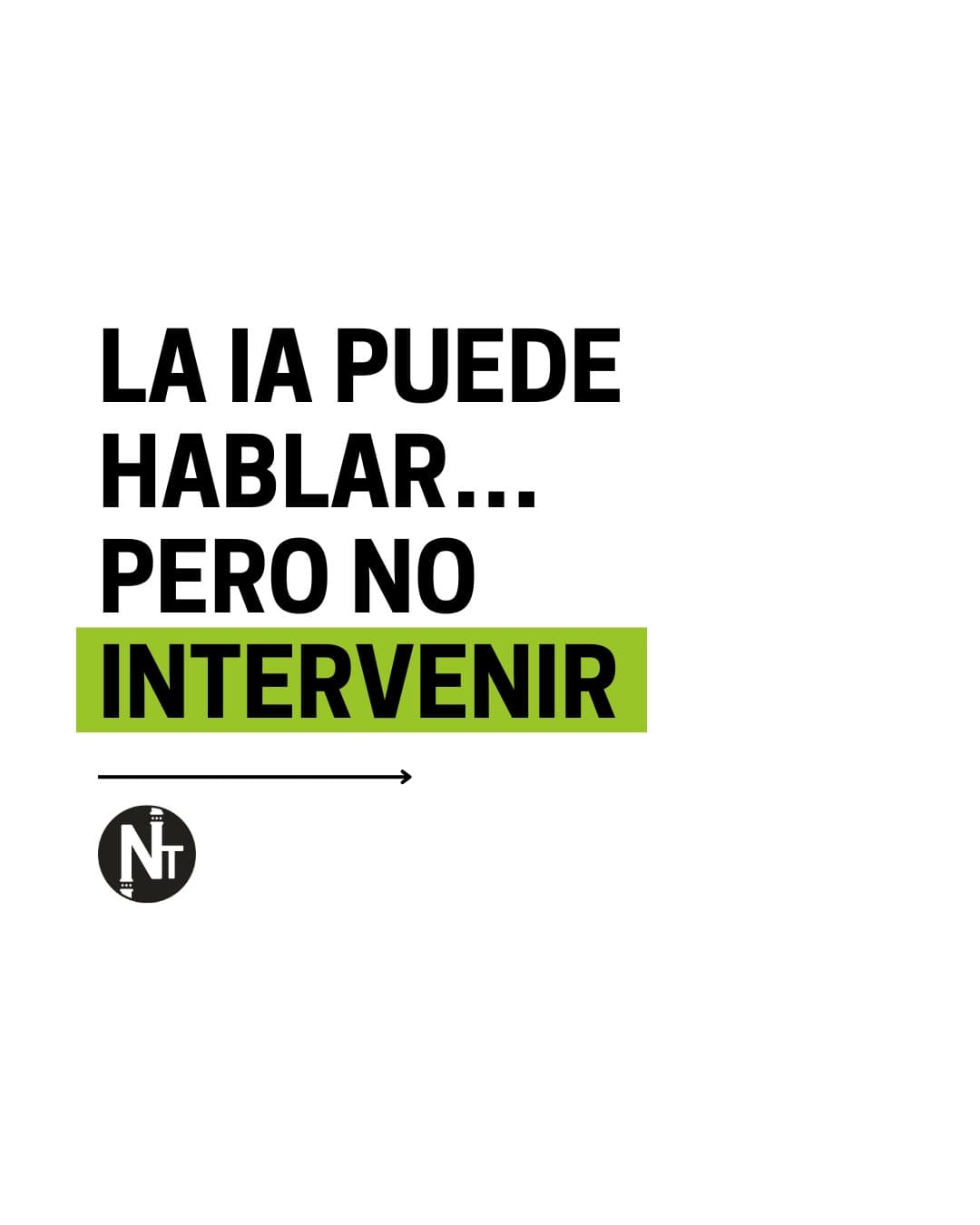
✨ La tecnología puede ser una herramienta.
🫂 Pero la intervención sigue siendo humana.
Si este tema te interpela, compartilo.
Hablar de los límites también es una forma de cuidado.
📞 Ante señales de riesgo:
* 135 (CABA y GBA)
* (011) 5275-1135
* 0800-345-1435 (todo el país)
✍🏼 Escrito por: @_luquitorres_
📖Referencias:
1. Pichowicz, W.; Kotas, M. y Piotrowski, P. (2025). Performance of mental health
chatbot agents in detecting and managing suicidal ideation. Scientific Reports, 15(1),
31652.
2. Moore, J.; Grabb, D.; Agnew, W.; Klyman, K.; Chancellor, S.; Ong, D. C. y Haber, N.
(2025). Expressing stigma and inappropriate responses prevents LLMs from safely
replacing mental health providers. Proceedings of the 2025 ACM Conference on
Fairness, Accountability, and Transparency (pp. 599-627).
3. World Health Organization. Suicide. Jan (2025).
https://www.who.int/news-room/fact-sheets/detail/suicide
4. Calati, R. et al. (2019) Suicidal thoughts and behaviors and social isolation: A
narrative review of the literature. Journal of Affective Disorders, 245, 653–667.
5. Keen, E. (1976) Confrontation and support: On the world of psychotherapy.
Psychotherapy: Theory, Research & Practice 13, (4), 308–315.
https://doi.org/10.1037/h0086498